A hip dislocation is a serious medical condition that can dramatically affect mobility, comfort, and quality of life. Understanding dislocated hip symptoms early can make a significant difference in preventing long-term complications. Whether the injury occurs due to a fall, road accident, sports trauma, or underlying joint problems, recognizing the warning signs is crucial.
In this detailed guide, we’ll explore dislocated hip symptoms, how they feel, how they progress, and why immediate medical attention is essential. This article is written in a human, easy-to-understand tone so you can clearly identify what your body may be telling you.
What Is a Dislocated Hip?
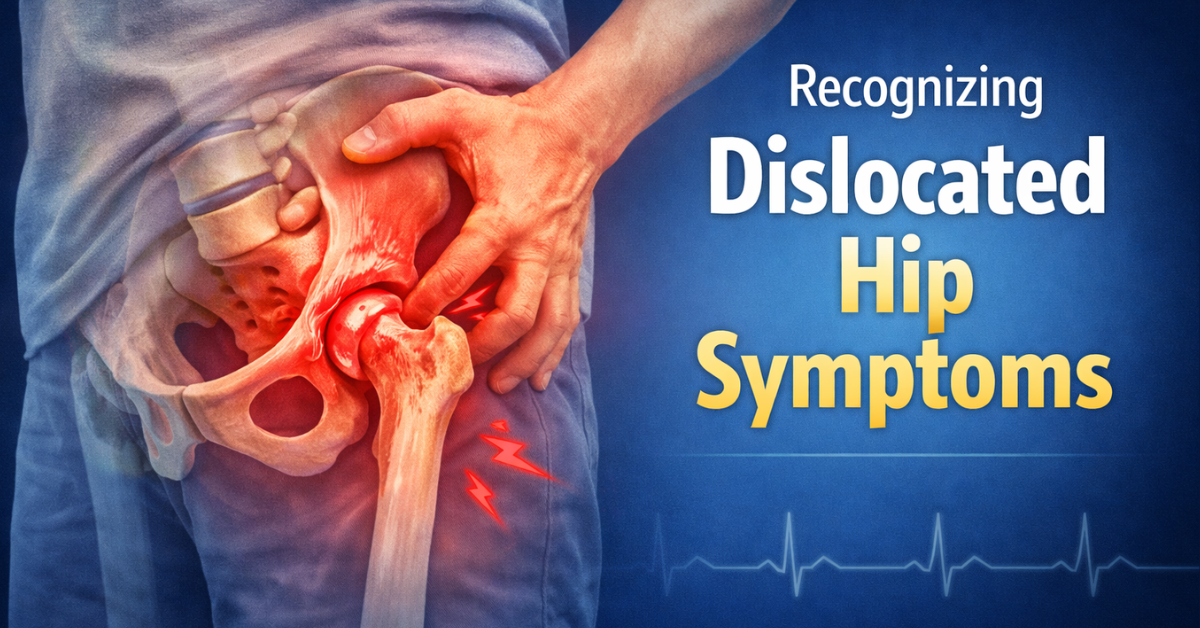
A dislocated hip occurs when the ball of the thigh bone (femoral head) comes out of the hip socket (acetabulum). The hip joint is one of the strongest and most stable joints in the body, so dislocation usually results from a high-impact injury. Because of this, dislocated hip symptoms are often intense and sudden.
Most Common Dislocated Hip Symptoms
1. Severe Hip Pain
One of the earliest and most noticeable dislocated hip symptoms is sudden, severe pain in the hip or groin area. The pain is usually sharp and intense, making it nearly impossible to stand or walk. Even small movements can increase discomfort.
Pain may also radiate to the thigh, buttocks, or lower back. This pain does not improve with rest and often worsens over time.
2. Inability to Move the Leg
Loss of movement is a major red flag. Among the classic dislocated hip symptoms, the inability to move the affected leg normally is very common. You may feel like the leg is “stuck” or completely unresponsive.
Trying to move the leg can cause extreme pain, making normal activities like sitting, standing, or walking impossible.
3. Visible Deformity or Abnormal Position
Another alarming dislocated hip symptom is a visibly abnormal leg position. The affected leg may appear:
- Shorter than the other leg
- Turned inward or outward
- Bent at an unusual angle
This visible deformity is often noticed immediately after injury and strongly suggests hip dislocation.
4. Swelling and Bruising
Swelling around the hip joint is a common part of dislocated hip symptoms. Due to internal tissue damage and bleeding, the hip area may appear swollen, warm, and tender to touch.
Bruising may develop within a few hours or days, indicating deeper tissue trauma.
5. Numbness or Tingling Sensation
In some cases, dislocated hip symptoms include numbness, tingling, or weakness in the leg or foot. This occurs when nearby nerves are compressed or damaged during dislocation.
If numbness persists, it may indicate nerve involvement and requires urgent evaluation.
6. Difficulty Standing or Bearing Weight
People experiencing dislocated hip symptoms often find it impossible to put weight on the affected leg. Even attempting to stand can cause severe pain and instability.
This symptom alone should prompt immediate medical attention, especially after trauma.
Less Obvious Dislocated Hip Symptoms
Not all dislocated hip symptoms are dramatic at first. Some may be subtle, especially in partial dislocations or delayed cases.
7. Stiffness in the Hip Joint
Hip stiffness, especially after injury, may indicate early dislocation. Reduced range of motion and tightness are often overlooked dislocated hip .
8. Muscle Spasms
Muscle spasms around the hip and thigh are protective responses by the body. These spasms are painful and can worsen other dislocated hip symptoms.
9. Pain While Sitting or Lying Down
Pain that worsens while sitting, lying on one side, or changing position is another sign. Persistent discomfort even at rest is an important dislocated hip symptom.
Dislocated Hip Symptoms in Children and Elderly
In Children
Children may not clearly express pain. Dislocated hip symptoms in children may include crying, limping, refusal to walk, or reduced movement of one leg.
In Elderly
Older adults may experience dislocated hip symptoms after minor falls. Symptoms may be mistaken for arthritis or muscle strain, causing delayed diagnosis.
When to Seek Medical Help
If you or someone else experiences any of the following dislocated hip symptoms, seek emergency care immediately:
- Severe hip pain after injury
- Inability to move or stand
- Visible leg deformity
- Numbness or weakness
- Sudden loss of mobility
Delaying treatment can lead to permanent joint damage, nerve injury, or reduced blood supply to the hip.
Why Early Recognition of Dislocated Hip Symptoms Matters
Ignoring dislocated hip symptoms can result in complications such as:
- Avascular necrosis (bone death)
- Chronic hip pain
- Joint instability
- Long-term mobility issues
Early diagnosis and proper treatment significantly improve recovery outcomes.
Final Thoughts
Understanding dislocated hip symptoms empowers you to act quickly and confidently. While the symptoms can be frightening and painful, timely medical care can restore joint function and prevent long-term complications.
If you experience persistent hip pain, visible deformity, or difficulty moving after trauma, do not ignore it. Your body is sending you a signal—listen carefully.
Early recognition of dislocated hip symptoms can protect your mobility, independence, and overall quality of life.
Latest Posts
- World Oral Health Day 2026: Importance of Oral Hygiene for a Healthy Life
- Posterior Hip Dislocation: Causes, Symptoms & Treatment
- Dog Dislocated Hip: Symptoms, Treatment & Care
- Dislocated Hip Symptoms: Early Signs, Pain Patterns, and When to Seek Medical Help
- ICD 10 Code for Benign Prostatic Hypertrophy: Complete Coding & Clinical Guide